


In this article
- What are veneers, in plain English?
- The three types people usually mean
- What dentists look at before they talk money
- So… are veneers expensive?
- What else can change the fee
- When a cheaper option is the smarter one
- Do dental insurance or payment plans cover veneers?
- How to get a real answer in Garden Grove
- Frequently asked questions
If you have ever looked at a celebrity smile and thought, “Are veneers expensive?”, you are asking the same question a lot of people type into Google.
The honest answer is: veneers are usually a bigger investment than a cleaning or a whitening visit. They are also not one product with one price tag. Porcelain, composite, and thinner “no-prep” options are different treatments. The right one depends on your teeth, your bite, and the change you want.
This guide is for regular people — not dental-school reading. It explains the types, what dentists look at, what actually changes the cost, and when a simpler option might be the better first step.
This article is general information, not a quote or a diagnosis. Veneer fees vary. A dentist has to examine your teeth before recommending treatment or giving a fee.
What are veneers, in plain English?
Dental veneers are thin custom shells bonded to the front of teeth. They can change color, shape, small chips, small gaps, and worn edges.
They cover the face of the tooth. They are not the same as a crown, which covers the whole tooth, and they are not the same as whitening, which only brightens natural enamel.
Most people get veneers on the teeth that show when they smile — often the front four to eight teeth — not a full mouth unless that is the plan.

Before
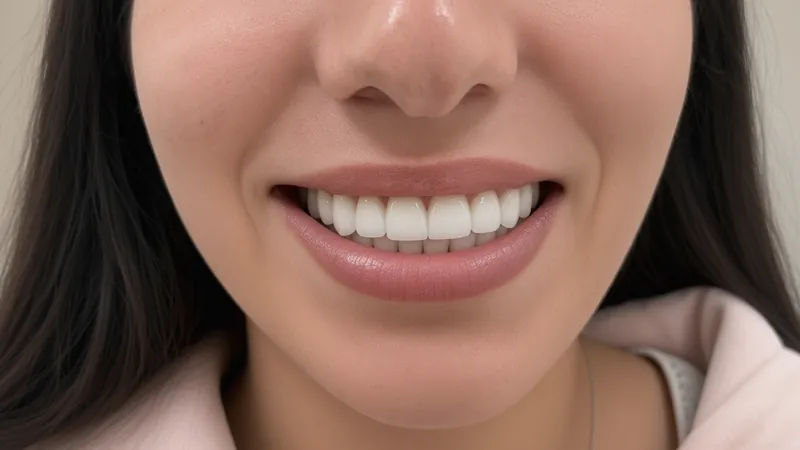
After
The after photo is a real Uplift patient smile. The before image is a simulation created for this article to show gapped, more yellow upper teeth. It is not an untreated clinical photograph. Individual results vary.
The three types people usually mean
When someone says “veneers,” they may mean three different things. The type matters more than any headline price you saw online.
Porcelain veneers
These are the ones most people picture. A dental lab makes thin ceramic shells that mimic the way natural enamel reflects light. They are stain-resistant and, with normal care, are built to last many years.
Porcelain is usually the better choice when you want a bigger color or shape change, or when the teeth that show when you smile need to look even. It typically takes more than one visit: a planning visit, a prep visit, then a bonding visit once the lab has finished the shells.
Porcelain is usually the higher-cost option because of the lab work, the custom shade, and the extra chair time.
Composite veneers (bonding as a veneer)
Composite bonding uses tooth-colored resin placed and shaped on the tooth, often in one visit. For small chips, small gaps, or a modest shape change, it can look very good.
Composite usually costs less than porcelain. It is also easier to chip or stain over time and often needs touch-ups sooner. That does not make it “cheap dentistry.” It makes it a different tool. If you only need a small fix, paying for a full porcelain set may not be the smartest spend.
No-prep or minimal-prep veneers
Some veneers are thinner and need little or no enamel removed. That sounds appealing, and for the right tooth it can be. It is not automatically better.
If a tooth is already bulky, very dark, or crowded, a thinner add-on can look thick or fake. A dentist has to see whether your tooth can take a thin shell without looking oversized. Our no-prep veneers article covers that option in more detail. The short version: “no drilling” is a criterion, not a promise for every smile.
What dentists look at before they talk money
A good consult is not “how many veneers can we sell.” It is whether veneers are even the right fix.
Common criteria include:
- Gum health. Inflamed or receding gums should be treated first. Veneers do not hide gum disease.
- Tooth structure. There has to be enough healthy tooth to bond to. Large fillings, decay, or a cracked tooth may need a crown instead.
- Bite and grinding. If you clench or grind, porcelain can still work, but you may need a night guard so the new edges are not under extra force.
- Color goals. Whitening cannot change crowns or old bonding. If neighboring teeth will be whitened, that is usually done before porcelain shade is chosen.
- Alignment. Veneers can disguise small crowding. They are not a substitute for Invisalign or braces when teeth need to move.
- How many teeth show. Treating two teeth is a different plan than treating eight. Matching one new veneer to older teeth is also a design problem, not just a price problem.
If those boxes are not checked, a low quote is not a bargain. It is a plan that skipped steps.
So… are veneers expensive?
Compared with whitening or a single bonding repair, yes — porcelain veneers are usually a larger fee. Compared with doing nothing while you hide your smile, many patients still decide they are worth planning for.
What you are paying for is not a sticker from an ad. It is:
- the material (porcelain vs. composite)
- how many teeth are treated
- lab work vs. same-day chairside resin
- whether decay, gums, or orthodontics must be handled first
- the time spent designing shape and shade so the result looks like your teeth, not a generic white row
Online “average cost per tooth” lists are often from other cities, other materials, or other years. They are not a Garden Grove treatment plan. We do not publish a fake number here because it would be wrong for most mouths.
The useful next step is a consult that ends with a written plan: which teeth, which type, what has to happen first, and what the fee includes.
What else can change the fee
Two people can both “want veneers” and leave with very different plans.
- One or two teeth vs. a smile zone. A chipped front tooth is not the same case as eight teeth that need a new color and length.
- Prep vs. no-prep. Less reduction is not always less expensive. The design still has to fit your bite.
- Temporaries. Porcelain cases often need temporary veneers while the lab works. That is part of the process, not an add-on surprise if it is explained up front.
- Other treatment first. A filling, gum treatment, or a short aligner phase can come before veneers. That is extra care, not a bait-and-switch, if it is medically needed.
When a cheaper option is the smarter one
Veneers are not the default answer for every cosmetic complaint.
- Stains only: try professional whitening first if the teeth are otherwise healthy and even.
- A small chip or gap: bonding can often be done in one visit.
- Crooked teeth: straightening with Invisalign or braces may be the healthier long-term fix. Veneers on crowded teeth can look bulky.
- A badly broken tooth: a crown may protect it better than a thin shell.
If a dentist only offers veneers and never mentions these, get a second look. At Uplift, the goal is the smallest treatment that actually solves the problem.
Do dental insurance or payment plans cover veneers?
Most dental plans treat veneers as cosmetic when the tooth does not need them for strength. That means many patients pay out of pocket. If a tooth is broken or has a large filling, part of the fee might be billed as a restoration instead — that depends on the plan, not on a blog post.
Bring your insurance information to the visit. We can help you understand what to ask your plan. Coverage is never a guess and never a guarantee of payment.
If you are spreading out the fee, ask about the payment options the office currently offers. The veneers page notes financing as a topic to discuss in person. Do not assume a specific monthly payment until you have a plan in writing.
How to get a real answer in Garden Grove
A useful veneer consult is simple:
- Show the teeth that bother you. Photos on your phone help.
- Ask which type fits those teeth — porcelain, composite, or a thinner option.
- Ask what has to be done first (gums, decay, grinding, whitening, orthodontics).
- Ask how many teeth would be treated and why not more or fewer.
- Ask for the fee in writing and what follow-up care is included.
You should leave knowing whether veneers are even appropriate, not just what a package would cost.
Uplift Dental & Orthodontics is in Garden Grove, at 5253 Lampson Ave, Garden Grove, CA 92845. Call (714) 898-3308 or request a visit if you want that conversation in person. You can also browse real smile cases in our gallery.
Frequently asked questions
Are veneers worth the money?
They are worth it when they are the right tool: stained teeth that will not whiten, chips, worn edges, or small shape issues you want to change in a durable way. They are not worth it if whitening, bonding, or orthodontics would solve the same problem with less dentistry.
How long do veneers last?
Porcelain often lasts longer than composite, and both last longer when you brush, floss, skip using your teeth as tools, and wear a night guard if you grind. Exact years depend on the material, your bite, and how you care for them. No veneer is a lifetime guarantee.
Do veneers ruin your real teeth?
Porcelain veneers usually need a thin amount of enamel removed so the shell can sit flush. That is why they are a commitment. Composite and some no-prep designs can be more conservative. The dentist should explain how much tooth, if any, would be changed before you agree.
Can I get veneers on just one tooth?
Yes, if that tooth is the only one that needs help and the shade can be matched. Matching one veneer to natural neighbors takes skill. Sometimes treating a small group of teeth looks more even than treating one.
Will veneers look fake?
They look fake when they are too white, too opaque, or too bulky for the face. They look natural when the shade, length, and translucency are chosen for your smile. That is design work, which is part of what you are paying for.
How much do veneers cost in Garden Grove?
There is no honest one-line number. Ask for a written plan after an exam. Be wary of national “average” lists or social-media prices that skip the type of veneer, the number of teeth, and any treatment you need first.
Garden Grove, CA
Ready to talk with our team?
Uplift Dental & Orthodontics can help you understand what is going on and what to do next.